
RAAC Removal & Replacement
Our RAAC replacement and removal service provides a safe, compliant solution to eliminate risk, protect occupants, and restore long term structural integrity. From initial assessment to full replacement, Fleet Homes manages the process efficiently and responsibly.
Putting you at the centre
We understand that every building needs to be a safe space for you and others, which is why removing and replacing RAAC is so important, especially due to the unpredictable nature of its inevitable collapse.
What is RAAC?
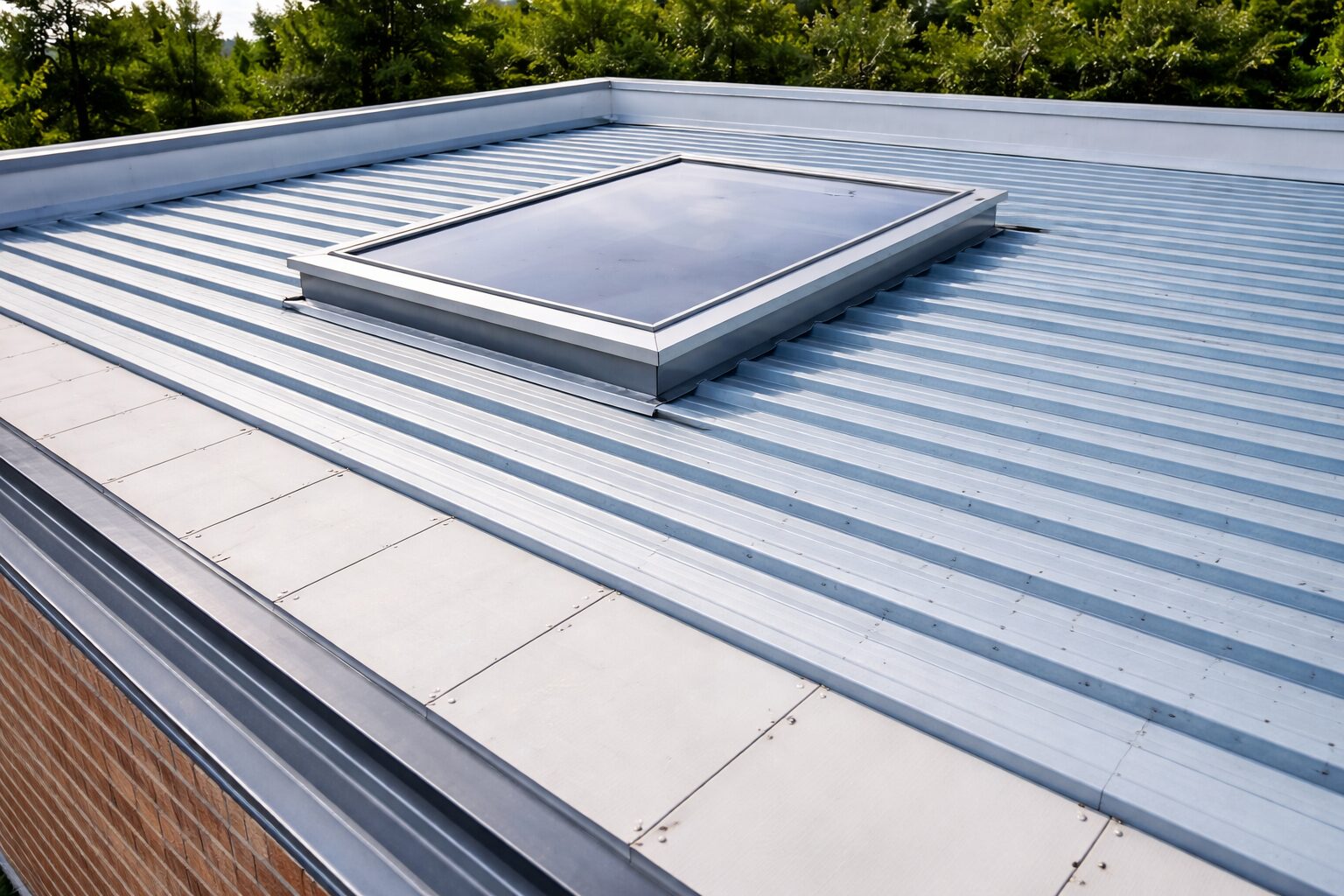
Reinforced autoclaved aerated concrete (RAAC) is a lightweight form of precast concrete that was used between the 1950s and 1990s, mostly used in flat roofing, but also in floors and walls.
It’s a cheaper alternative to standard concrete, as well as being quicker to produce and easier to install. RAAC is aerated and can look ‘bubbly’. Because of this, it’s less durable with a lifespan of around 30 years.
RAAC is now beyond its lifespan and “may collapse with little or no notice”, according to the Health and Safety Executive.
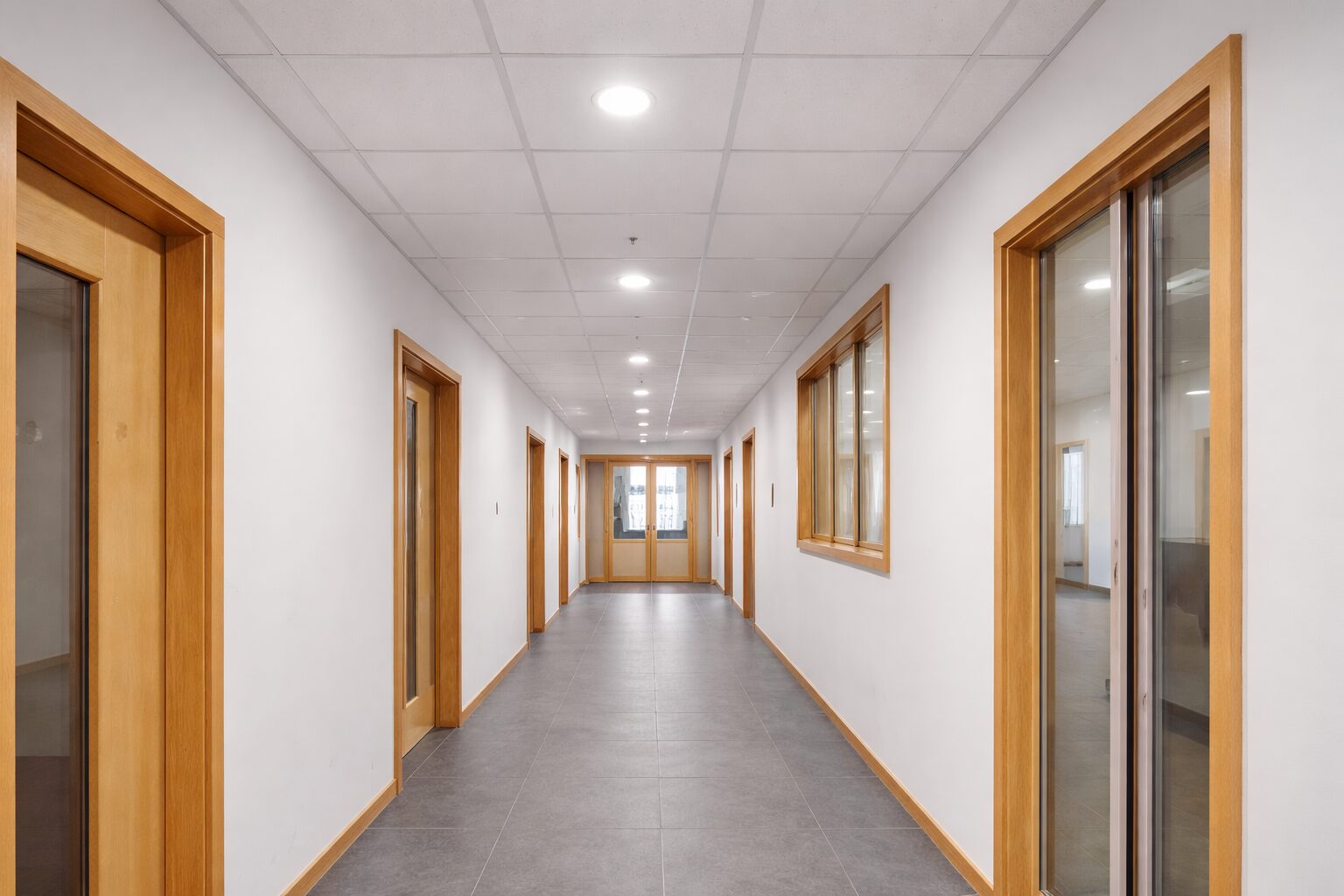
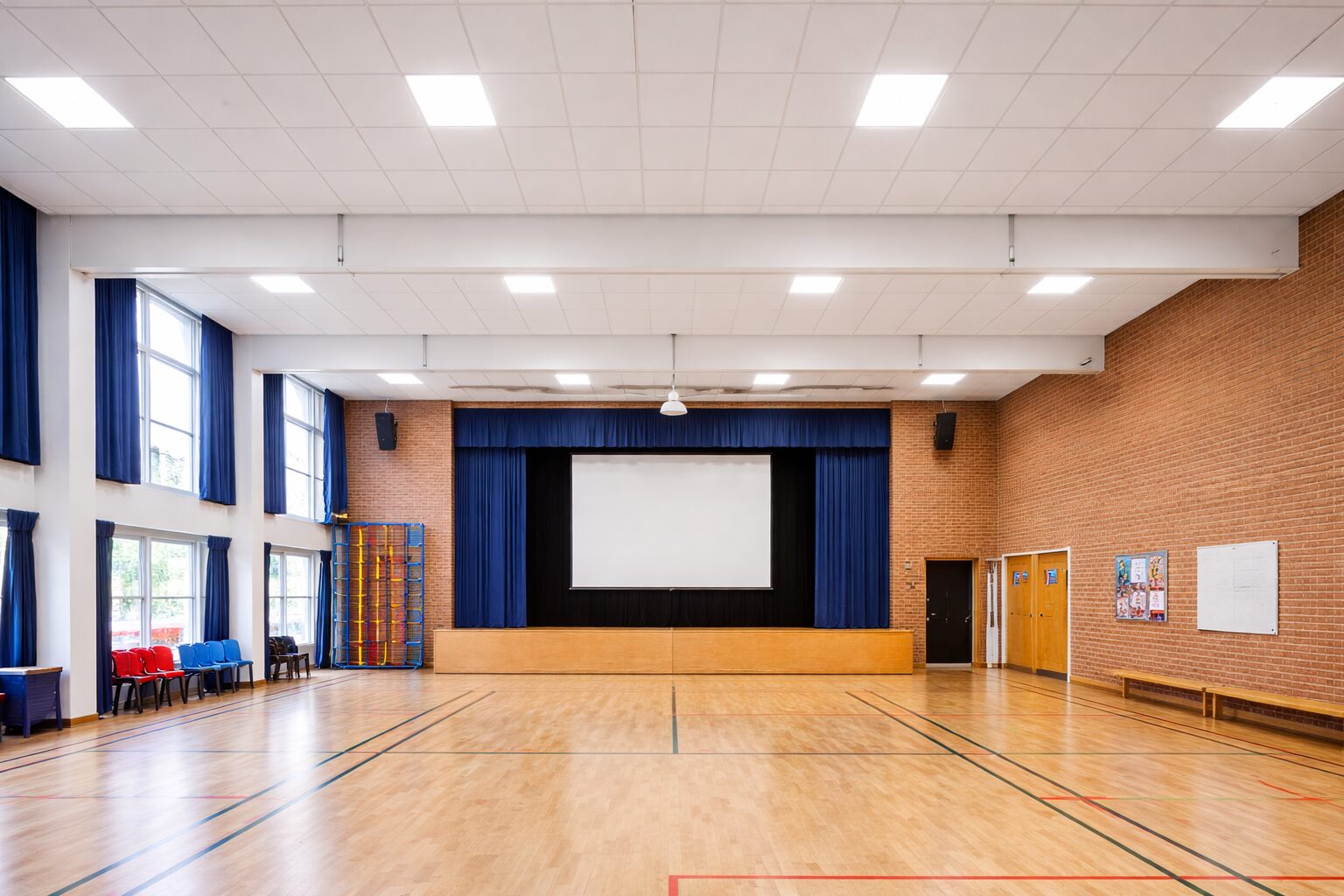
There are tens of thousands of these panels in use in structures across the UK, mainly seen in schools, and other public sector buildings. However, it has been found in courts, sports halls, and although less common, may still be present in residential buildings.
Does my building contain RAAC?
If you are an owner or building manager suspicious of RAAC in your building(s), you can take the following steps to help identify the presence of the material:
- RAAC panels were used from the mid 1950s to the early 1990s, so any buildings or extensions built before or after this time period are unlikely to have RAAC.
- Refer to your local authority to ensure any similar buildings in your area are known to contain RAAC.
- Check any official records about your building’s construction for any mention of RAAC. Product names such as Siporex, Durox, Celcon, Hebel, or Ytong can be indicators of RAAC. Although, be aware that RAAC may not be mentioned even when it was in fact used.
What to do if you suspect RAAC
Defects can be difficult to identify, so If you suspect the presence of RAAC planks in your building(s), you should seek out a qualified professional (such as a chartered building surveyor or structural engineer) to assess the property effectively.
We are experienced in working with building authorities, warranty providers and bank surveyors, ensuring their wishes are met, in line with agreed timeframes.
Our team will guide you through the design process, providing expert advice on layout, materials, and finishes. Whether you’re redesigning a single room or planning a full home renovation, we create detailed plans that ensure a smooth project from start to finish.
Frequently Asked Questions
We know that planning RAAC removal and replacement is an important decision, and it's natural to have plenty of questions. To help you feel confident moving forward, we’ve put together answers to some of the most frequently asked questions about the process.
How much does RAAC replacement cost?
Costs vary depending on:
-
Extent of RAAC present
-
Access requirements
-
Structural complexity
-
Programme duration
A detailed site survey is required to provide an accurate quotation.
Can RAAC be repaired instead of replaced?
In limited cases, short-term mitigation measures such as propping or strengthening may be used. However, these are usually temporary solutions. Full RAAC replacement is widely regarded as the safest and most cost-effective long-term option.
What buildings are most affected by RAAC?
RAAC is most commonly found in:
-
Schools and colleges
-
Hospitals and healthcare facilities
-
Office buildings
-
Leisure centres
-
Public sector and commercial properties
However, any building from the relevant era could potentially contain RAAC.
Is RAAC replacement mandatory?
While not always legally mandatory, many building owners are being advised by local authorities, insurers, and government bodies to remove and replace RAAC due to safety risks. In some cases, restrictions or closures may be imposed until remediation work is completed.
Who is responsible for RAAC replacement?
Responsibility for repairing or maintaining RAAC depends on whether the property in question is freehold or leasehold. For freehold properties, the owner is responsible. For leasehold properties, the tenant is typically responsible, but in some cases landlords may be liable for the structure of a building, and tenants may need to report issues to them. It is essential to review lease agreements and local regulations to determine specific responsibilities.